

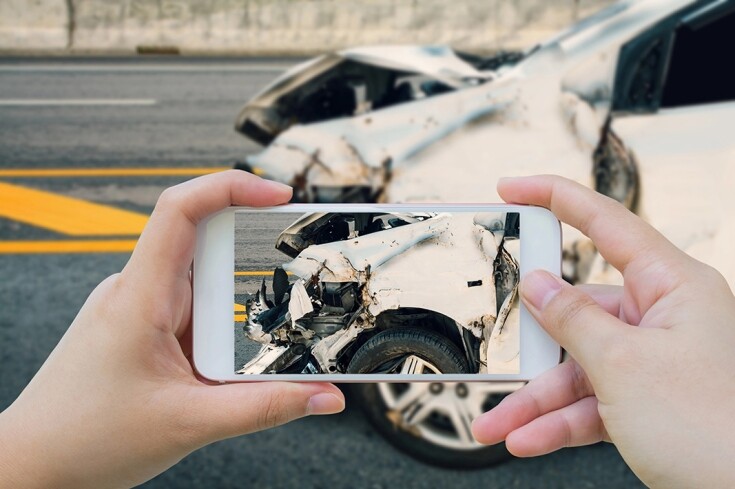
If you were hurt in a Houston vehicle accident, preserve what you safely can. Take photos of the scene, the vehicles, the road, your injuries, and anything else that may help show what happened. Save witness names, medical records, bills, work records, and messages from insurance companies or others involved in the crash.
Keep original files when possible. Do not delete, edit, or replace them. Never return to an unsafe scene or confront another driver to collect evidence.
If you want to learn more about the accident cases Herbert Trial Law handles, visit Houston vehicle-accident services.
This guide explains what to photograph, what to save after you leave the scene, and when it may be time to ask for help.
Why does preserving evidence matter after a vehicle accident?
Evidence can change or disappear quickly after a crash. Vehicles may be moved or repaired. Witnesses may forget details. Security video may be erased. Road marks may fade.
Medical records can document what you told a provider, what symptoms were recorded, and what treatment you received. They do not, by themselves, decide fault or prove every part of a claim.
Saving evidence does not guarantee a result. It can, however, make it easier for an attorney to evaluate what happened and how the accident affected your life.
What should you photograph at the scene?
Only take photos if it is safe. Try to capture both the big picture and the details.
The whole scene
Take wide photos from a safe place. Show where the crash happened, where the vehicles ended up, and what the surrounding area looked like.
Vehicle damage
Photograph each vehicle from several angles. Take close-ups of the damage and wider photos that show where the damage is located.
Road and traffic conditions
If you can do so safely, photograph traffic lights, stop signs, lane markings, skid marks, debris, road conditions, weather, and visibility.
Identifying details
Photograph license plates, truck or trailer numbers, company names on vehicles, and other details that may help identify the people or companies involved.
Visible injuries
If you have bruises, cuts, swelling, casts, or other visible injuries, photograph them when appropriate and safe. Keep track of the date each photo was taken.
Possible video sources
Note nearby businesses, homes, traffic cameras, or other places that may have recorded the crash. Do not trespass or put yourself in danger to look for video.
Witness and response information
When possible, save witness names and contact information. Also keep police, EMS, tow-company, and crash-report details.
Do not stand in traffic, approach a dangerous vehicle, interfere with emergency personnel, or return to a place that is not safe.
For a more detailed first-day checklist, see what to do in the first 24 hours after a car accident.
What should you save after leaving the scene?
After you leave the scene, keep your records organized. It helps to sort them into four groups.
Medical and injury records
Keep:
- Emergency-room, hospital, doctor, imaging, therapy, and pharmacy records
- Medical bills, receipts, payment-plan information, and insurance explanations
- Treatment instructions, appointment dates, referrals, and follow-up notes
- A truthful, dated record of symptoms and treatment
- Photos showing changes in visible injuries
Work and daily-life records
Keep records of work restrictions, missed work, and wage information where applicable. Also note changes to ordinary activities, transportation, or household tasks.
Insurance and claim communications
Save letters, emails, texts, portal messages, claim numbers, adjuster contact information, and short notes about phone calls.
Keep any release, settlement offer, medical authorization, or other document sent for your signature.
Digital evidence
Keep original phone photos and videos, dashcam or vehicle-camera footage, relevant app records, messages, and backups of original files.
Do not edit the original, crop out important details, delete the file, or save a new version over it. Do not create a new version of what happened after the fact.
Does the evidence change depending on the type of accident?
Many of the basic preservation steps apply to every crash. But some types of accidents raise additional questions.
Passenger-car crashes
For a regular car crash, useful evidence may include vehicle damage, traffic lights or signs, witness information, medical records, dashcam footage, and insurance messages.
If you were hurt in a car crash, learn more about a Houston car accident lawyer.
Commercial-truck and 18-wheeler crashes
A truck crash may involve the driver, trucking company, truck or trailer owner, maintenance provider, cargo company, and commercial insurers. Important records may include driver logs, dispatch information, maintenance records, inspection materials, cargo records, and onboard data, if available.
You usually do not need to collect company records yourself. Save what you already have and ask an attorney what other records may need to be requested.
If you were hurt in a truck crash, see a Houston truck accident lawyer. You can also read Why Truck Accident Claims in Houston Are Different From Regular Car Accident Cases.
Motorcycle and bicycle crashes
In a motorcycle or bicycle crash, road conditions, visibility, lane position, vehicle damage, and the condition of the bike may matter.
If it is safe and practical, keep the helmet, clothing, bicycle, motorcycle, and damaged gear. Do not repair or throw away those items before they are documented, unless safety requires it.
If you were hurt in this type of crash, start with Houston vehicle-accident services.
Rideshare crashes
Save trip receipts, app times, driver information, messages, and other records connected to the ride. Keep any vehicle or insurance information you receive.
If you were hurt in a rideshare crash, start with Houston vehicle-accident services. The exact insurance questions can depend on the facts of the trip and the policies involved.
Hit-and-run or uninsured-driver crashes
If the other driver left the scene or did not have insurance, details may be especially important. Save plate information, witness names, nearby-video information, police reports, and your own insurance records.
For a hit-and-run injury, see a Houston hit-and-run accident lawyer. If the other driver had no insurance or not enough insurance, see a Houston uninsured and underinsured motorist accident lawyer.
What if you could not document the crash because you were seriously injured?
Put emergency care and safety first. No one expects a badly injured person to manage every detail at the scene.
When it is safe, you can:
- Ask a trusted person to help save photos, messages, and records
- Tell medical providers what you remember, including anything you are unsure about
- Save evidence you receive later
- Note when you received each new record or file
Do not assume that missing photographs automatically end a claim.
What if an insurer, trucking company, or another party contacts you?
Save the communication and write down:
- The caller’s name and company
- The claim number, if there is one
- The date and time of the contact
- What the person asked you to provide
Be truthful, but do not guess about fault or injuries if the facts are still unclear. Do not downplay your pain to sound polite, and do not sign a release or other document without understanding it.
For more on insurance calls, see talk to the insurance adjuster after a Houston car accident.
If you were hurt and want help understanding what matters, schedule a FREE Case Review.
When should you talk to a Houston personal-injury lawyer?
It may be time to ask for help if:
- You were physically hurt
- You went to the hospital or need continuing treatment
- Fault is being disputed
- A truck, rideshare, motorcycle, bicycle, or hit-and-run is involved
- Someone wants a recorded statement, a release, or a quick settlement
- You are worried that video, witnesses, or important records may disappear
- Medical bills, missed work, or major changes to daily life are piling up
If you were hurt in a Houston vehicle accident, review Herbert Trial Law’s vehicle-accident services and schedule a FREE Case Review.
Frequently Asked Questions
What evidence should I collect after a Houston vehicle accident?
Try to save photos, witness information, medical records, bills, work records, and insurance messages. Preserve original files when possible.
What should I photograph after a car crash?
If it is safe, photograph the whole scene, vehicle damage, road conditions, traffic signs or lights, identifying details, and visible injuries.
What if I was too injured to take pictures?
Get medical help first. When it is safe, save what you can later and ask a trusted person to help if possible.
Should I keep my damaged helmet, bicycle, motorcycle, or clothing?
If it is safe and practical, keep damaged gear until it has been documented. Do not keep anything that creates a safety risk.
What records might matter after an 18-wheeler crash?
Truck cases may involve driver logs, maintenance records, dispatch information, inspection materials, cargo records, and other business records.
What if a trucking company or insurer asks for a statement?
Save the request, be truthful, and do not guess about facts you do not remember. Consider getting guidance before giving a detailed statement.
What evidence matters after a hit-and-run?
Plate details, witness names, nearby video, police reports, vehicle information, and your own insurance records may all help an attorney evaluate what happened.
What if the other driver has no insurance?
An uninsured or underinsured motorist question may involve your own policy. Keep the policy documents and claim communications for review.
How soon should I talk to a personal-injury lawyer?
If you were hurt, treatment is ongoing, fault is disputed, or important evidence may disappear, it may make sense to ask for help sooner rather than later.
If you were physically hurt in a Houston vehicle accident and want help figuring out what to save and what to do next, request a free case review.
This article provides general information. The facts, policies, and legal issues in each accident can be different.
