

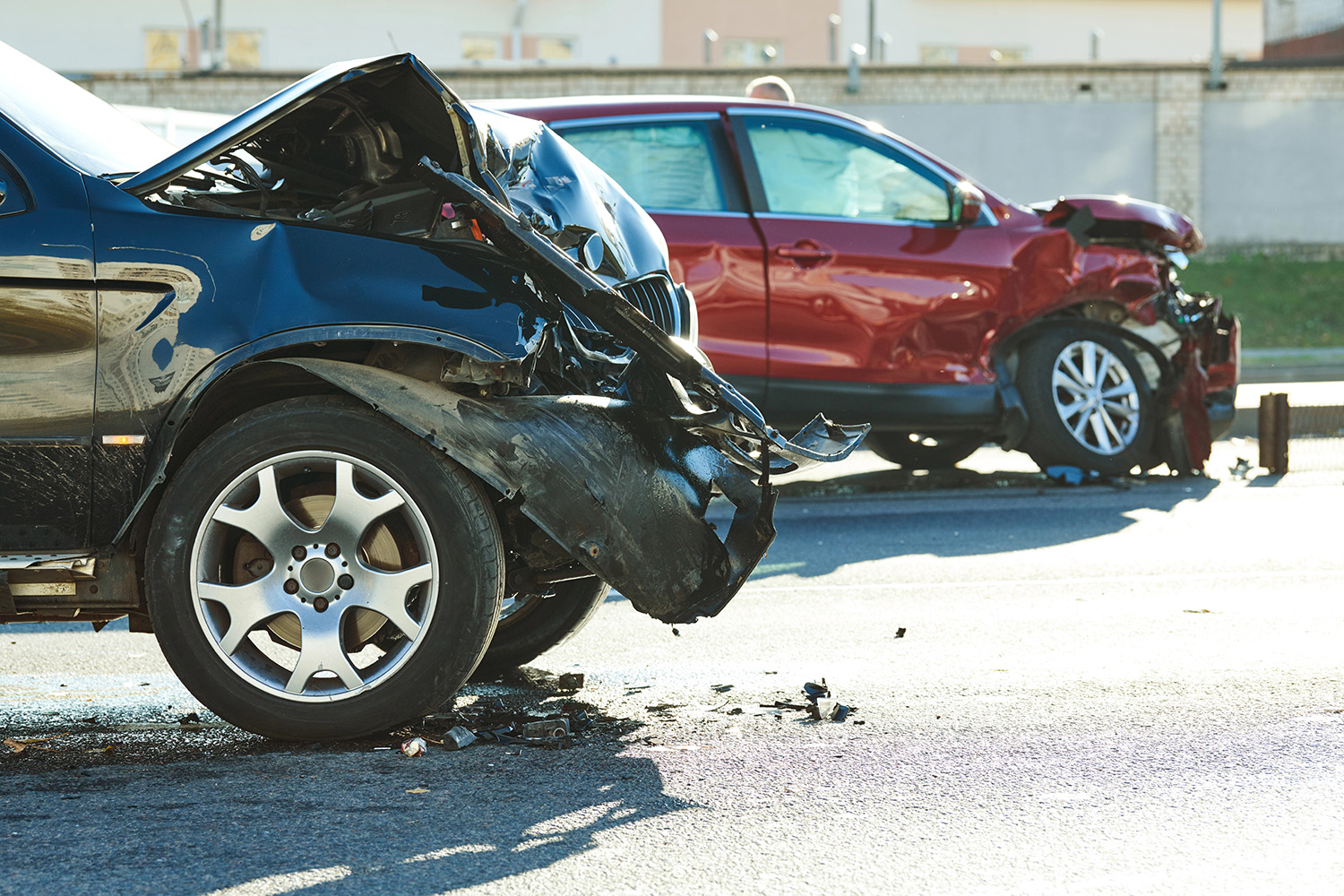
A car accident can leave you shaken, hurt, and unsure what to do next.
One moment, you are driving through Houston like any other day. The next, you are dealing with pain, damage to your vehicle, calls from insurance companies, and the stress of trying to figure out what to do next.
That fear is not irrational.
The first 24 hours after a crash matter because this is when the facts start getting locked in. It is also when the insurance company starts looking for gaps, inconsistencies, delays, and statements it can use to pay less.
At Herbert Trial Law, we understand how that works because Kyle Herbert used to defend insurance companies. He knows how adjusters evaluate claims in the first hours after a crash, what makes them question injuries, and where they look for leverage early.
If you only remember one thing, remember this: your job in the first 24 hours is to protect your health, protect the facts, and avoid giving the insurance company a shortcut to undervalue your claim.
Here’s what you should do in the first 24 hours after a Houston car accident:
In the first 24 hours after a Houston car accident, you should:
- get to safety and call 911 if needed
- get medical attention as soon as possible
- avoid admitting fault or guessing what happened
- exchange information and identify witnesses
- photograph the scene, the vehicles, and your injuries
- report the crash carefully
- avoid rushed insurance statements or quick settlements
- talk to Herbert Trial Law before the insurance company shapes the story for you
Those are the big moves. Here is how to handle each one the right way.
1. Get to safety first
Your first priority is safety, not paperwork.
If you, or anyone in your vehicle, is seriously hurt, call 911 immediately. If your vehicle can be moved safely and local conditions require it, move it out of active traffic. If it cannot be moved safely, stay where you are, turn on your hazard lights, and wait for help.
Houston crashes can become dangerous fast, especially on busy roads, freeway ramps, and intersections where secondary collisions happen in seconds.
Do not stay in harm’s way just to keep the scene untouched.
2. Get medical care quickly — even if you think you are “probably fine”
One of the biggest mistakes people make after a car accident is waiting too long to get checked.
Many injuries are not fully obvious at the scene. Adrenaline can hide pain for hours. That is especially true with:
- whiplash
- back injuries
- concussions
- soft-tissue injuries
- internal injuries
- shoulder and knee injuries
Prompt medical treatment helps in two ways.
First, it protects your health.
Second, it creates early records connecting your injuries to the crash.
Insurance companies love treatment gaps because they use them to argue things like:
- you were not seriously hurt
- something else caused the pain
- your injuries could not have been that bad
If you feel pain, dizziness, headaches, stiffness, confusion, numbness, or anything unusual, get checked as soon as possible.
3. Be careful what you say at the scene
After a crash, people say things out of shock.
That is normal. But it can still be used against you.
Avoid statements like:
- “I’m sorry”
- “I didn’t see them”
- “I’m okay”
- “It was probably my fault”
- “I don’t need a doctor”
Even polite or uncertain comments can be used against you later and hurt your case.
Be respectful. Stay calm. But stick to the facts.
You do not need to argue about fault at the scene. You do not need to guess about speed, distance, timing, or injuries while your body is still in shock.
4. Exchange the right information
Get the basic details you may need later:
- full name
- phone number
- address if available
- driver’s license information
- insurance company and policy information
- license plate number
- vehicle make and model
If there are witnesses, get their names and contact information too.
That matters because witness memory fades fast, and people who are easy to find at the scene can become hard to locate later.
5. Photograph everything before the scene changes
Evidence disappears quickly after a crash.
If you are physically able, take photos or video of:
- all vehicles involved
- vehicle damage from multiple angles
- skid marks
- debris
- road conditions
- traffic lights or stop signs
- weather or visibility issues
- your injuries
- the surrounding area
You should also note:
- the time of the crash
- the exact location
- the direction each vehicle was traveling
- anything unusual, such as speeding, distracted driving, lane changes, or suspected impairment
If nearby businesses, homes, or traffic systems may have captured the crash on video, that can matter too. Surveillance footage does not last forever. If you have a claim, Herbert Trial Law can step in quickly to help identify and preserve evidence before it disappears.
6. Make sure the crash is reported
If law enforcement responds, ask how to get the police report and write down the responding agency if possible.
A crash report is not the whole case, but it can become an important early piece of the record.
After that, notify your own insurance company. But keep it careful and factual.
Give the basic information:
- when the crash happened
- where it happened
- who was involved
- whether injuries were involved
Do not guess about fault. Do not exaggerate. Do not let pressure from a quick phone call push you into a recorded statement before you understand the situation.
7. Do not let the insurance company get ahead of you
This is where many good cases start losing value.
Insurance companies move fast after a crash for a reason. Early confusion gives them an opening.
They may sound helpful. They may act like they are “just gathering information.” They may ask for a recorded statement before you have seen a doctor, before you understand your injuries, or before the full facts are clear.
That is not accidental.
The insurance company’s job is to protect its money.
And in the first 24 hours, it is often looking for things like:
- inconsistent statements
- downplayed symptoms
- delays in treatment
- incomplete documentation
- uncertainty about fault
This is exactly where Herbert Trial Law’s insider perspective matters. Kyle Herbert used to work on the defense side, so he knows how insurers use early confusion to shape claims in their favor.
8. Understand that Texas fault rules can affect your claim
Texas follows a modified comparative fault rule.
In plain English, that means fault matters. If you are partly responsible, it can reduce what you recover. If you are found more than 50% responsible, you may be barred from recovering damages in many cases.
That is one reason the first 24 hours matter so much.
The way the crash gets described early can influence how fault is argued later.
Small mistakes can become bigger problems when the insurance company starts building its version of events.
9. Talk to Herbert Trial Law before you accept anything
You do not need to know the full value of your claim in the first 24 hours.
In fact, you usually can’t.
That is why quick settlement pressure is dangerous.
A fast offer can look tempting when bills are already starting to pile up, your car is damaged, and life has been thrown off course. But early offers are often designed to close the claim before the real cost of the injury is clear.
At Herbert Trial Law, we look at the case the way the insurance company looks at it — but from your side.
That means we can help evaluate:
- what facts matter most
- what proof needs to be preserved
- where the insurance company may try to gain leverage
- whether an offer is fair or far too low
And Herbert’s truth-first promise matters here: if the insurance company’s offer is the best you are likely to get, Herbert Trial Law will tell you. If it is not, we will help you fight for more.
Common mistakes to avoid in the first 24 hours after a Houston car accident
If you want to protect your case early, avoid these mistakes:
- leaving the scene without proper documentation
- refusing or delaying medical care
- apologizing or guessing about fault
- telling the insurer you are “fine” too soon
- forgetting to photograph the scene
- failing to identify witnesses
- accepting a quick settlement before your injuries are clear
- waiting too long to get legal guidance
Most car accident cases are not hurt by bad facts alone. They lose value because of avoidable mistakes made after the crash.
Why Herbert Trial Law is the right choice after a Houston car accident
Many firms say they handle car accident claims.
Herbert Trial Law brings something more specific.
Kyle Herbert used to defend insurance companies. He understands how they evaluate risk, where they look for weaknesses, and what makes them increase an offer. That insider knowledge helps Herbert Trial Law protect injured people from being talked down to, lowballed, or pushed into the wrong decision early.
Insurance companies know how to pay you less. Herbert Trial Law knows how to make them pay more.
FAQ: First 24 hours after a Houston car accident
Should I go to the doctor the same day after a car accident?
Yes, if you have pain, dizziness, stiffness, headaches, confusion, or any sign of injury, you should get checked as soon as possible. Same-day evaluation helps protect your health and creates early medical documentation.
Do I have to talk to the other driver’s insurance company right away?
No. You do not have to rush into a recorded statement just because they call quickly. Be careful, stay factual, and do not let the insurer define the claim before the facts and injuries are clear.
What if I feel okay right after the crash?
That does not always mean you are uninjured. Adrenaline can mask symptoms in the early hours after a collision. Many injuries become clearer later the same day or the next day.
Can apologizing after a crash hurt my case?
Yes. Even casual or polite statements can be twisted into admissions of fault later. It is safer to stay calm, be respectful, and stick to the facts.
What is the most important thing to do in the first 24 hours after a car accident?
The most important priorities are to protect your health, preserve evidence, and avoid making statements or decisions the insurance company can use against you.
Final word
The first 24 hours after a Houston car accident can feel chaotic.
You may be hurt. You may be overwhelmed. You may already feel the insurance company trying to move faster than you can think.
That is exactly when clarity matters most.
If you were injured in a Houston crash, Herbert Trial Law can help you protect the facts early, understand what your case may really be worth, and avoid the mistakes that give the insurance company leverage.
Get Your Free Offer Reality Check or Schedule a FREE Case Review with Herbert Trial Law.
