

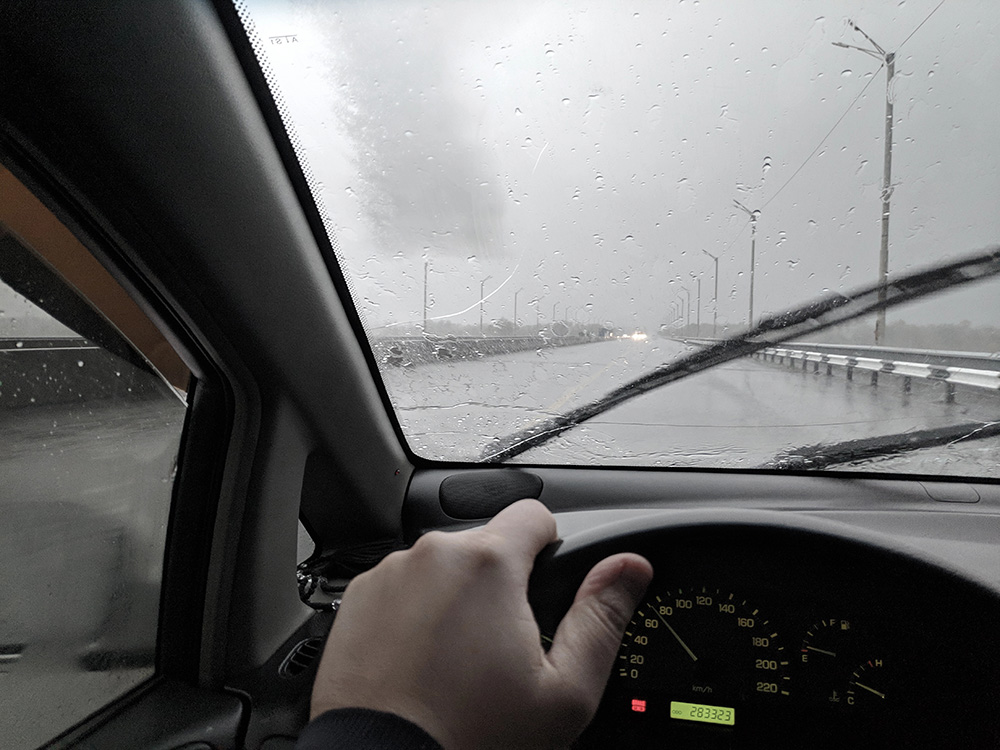
Spring road trips in Texas can look easy at the start and become dangerous fast.
Across Houston and major Texas highways, spring often brings more road work, shifting traffic patterns, narrowed lanes, and sudden slowdowns. At the same time, Texas weather can change in minutes. A clear drive can turn into heavy rain, hail, low visibility, or standing water before drivers have time to adjust.
That combination matters.
Construction zones and fast-changing weather can turn even a routine trip into a serious highway crash — especially when other drivers are distracted, speeding, following too closely, or unfamiliar with the road.
This guide has two goals.
First, it gives you practical Texas road trip safety tips for navigating spring highway conditions. Second, it explains what legal rights you may have if a crash happens anyway.
If you were hurt in a highway accident during spring travel, Herbert Trial Law can help you understand what happened, what your case may be worth, and what to do before the insurance company defines the story for you.
Schedule a FREE Case Review with Herbert Trial Law.
Why Spring Driving in Texas Can Be More Dangerous Than Drivers Expect
Spring does not create just one driving hazard. It stacks several of them on top of each other.
1. Spring often brings more road work and highway disruption
In and around Houston, spring frequently means more highway maintenance, road projects, lane shifts, narrowed shoulders, temporary barriers, and reduced speed zones.
For drivers, that can create:
- sudden merges
- abrupt braking
- confusing traffic flow
- uneven pavement
- less room to recover from a mistake
Construction zones are dangerous because they leave drivers less margin for error. One careless lane change or one distracted glance at a phone can trigger a chain-reaction crash.
2. Texas spring weather can change quickly
Spring weather in Texas can be unpredictable, and that matters on highways where speed and stopping distance already work against you.
Drivers may encounter:
- sudden downpours
- hail
- low visibility
- standing water
- flash flooding
- slick pavement after dry stretches
Bad weather does not cause every crash by itself. Many collisions happen because drivers fail to slow down, increase following distance, or adjust to conditions.
3. Highway travel mixes local drivers with unfamiliar ones
Spring brings more weekend travel, family trips, event traffic, and drivers who may not know Houston-area roads or major Texas corridors well.
That can mean:
- missed exits
- sudden lane changes
- hesitation around construction detours
- abrupt braking in unfamiliar traffic patterns
When you combine unfamiliar drivers, heavy traffic, road work, and weather swings, the risk of a serious accident rises quickly.
8 Spring Road Trip Safety Tips for Texas Drivers
These are the practical steps that can help you avoid preventable mistakes before and during spring travel.
1. Plan Your Route Around Construction and Conditions
Before you leave, check road and traffic conditions through tools like DriveTexas.org.
Look for:
- construction zones
- road closures
- weather alerts
- congestion points
- incident reports
If possible:
- leave earlier so you are not rushing
- build in an alternate route
- let someone know where you are headed
A Texas road trip should not begin with guesswork — especially during a season when road conditions can change quickly.
2. Inspect Your Vehicle Before a Long Drive
A long highway trip puts pressure on every part of your vehicle. Before leaving, check your:
- tire pressure and tread
- brakes
- windshield wipers
- headlights and brake lights
- battery
- oil and fluids
- spare tire and jack
You should also pack a simple emergency kit with:
- water
- a flashlight
- phone charger
- first-aid supplies
- reflective triangles or flares
- basic tools
- a blanket or extra clothes
If spring weather turns bad or traffic stops near a work zone, being prepared matters.
3. Slow Down Early in Construction Zones
Do not wait until the last second to react to cones, barriers, or lane shifts.
Construction zones can involve:
- sudden merges
- narrow lanes
- reduced shoulders
- changing speed limits
- workers close to moving traffic
Slow down earlier than you think you need to. Stay off your phone. Watch the flow of traffic well ahead of you. The safest move is to drive like conditions may change around the next barrier — because they often do.
If you are injured in a crash involving a work zone, the legal analysis may involve more than one driver. Depending on the facts, roadway contractors, commercial vehicles, or other parties may also become relevant.
4. Give Yourself More Space Than Usual
One of the best Texas road trip safety tips is simple: create room.
Spring highway conditions are less forgiving. Extra space gives you more time to respond when traffic suddenly slows in a work zone or when rain reduces traction.
That means:
- increase following distance
- stay out of blind spots
- scan farther ahead
- expect sudden braking
- let aggressive drivers go instead of engaging them
At Herbert Trial Law, we have seen too many serious injury cases begin with one driver trying to win a moment on the highway. When someone else makes that mistake, we help injured Texans pursue accountability and fair compensation.
5. Treat Texas Spring Weather Like a Serious Hazard
Texas weather can punish hesitation and overconfidence equally.
If heavy rain starts
- slow down gradually
- turn on headlights
- increase following distance
- avoid hard braking
- watch for hydroplaning
If you encounter standing water or flash flooding
- do not drive through water you cannot judge
- turn around instead of guessing
- avoid low spots, underpasses, and flooded crossings
If hail begins
- safely move out of travel lanes if possible
- do not stop where other vehicles may still be moving at speed
- stay inside the vehicle until conditions improve
Weather may be a factor in a crash, but it does not automatically excuse negligent driving. Drivers still have a duty to adjust to conditions.
6. Watch for Distracted, Aggressive, and Fatigued Drivers
Not every spring crash is caused by road conditions alone. Some are caused by people who fail to respect them.
Be alert for:
- drivers looking at phones
- speeders weaving through traffic
- drivers following too closely near lane shifts
- tired drivers drifting or reacting late
- vacation or event travelers making sudden moves
The safest response is not to match their behavior. It is to leave yourself an exit, preserve space, and stay predictable.
7. Share the Road Carefully With Trucks, Motorcycles, and Bicyclists
Spring often puts more vehicles of every kind on the road.
That includes:
- commercial trucks moving through work zones
- motorcycles taking advantage of better weather
- bicyclists in urban and suburban corridors
Drivers should:
- check mirrors more often
- look twice before changing lanes
- leave more passing space
- watch carefully at merge points and intersections
A collision that might be minor between two passenger vehicles can become catastrophic when a motorcyclist or cyclist is involved.
8. Know What to Do If a Highway Accident Happens Anyway
Even careful drivers can be hit by someone else.
If a crash happens:
- Move to safety if you can do so.
- Call 911.
- Request medical evaluation, even if injuries seem minor.
- Take photos of vehicles, road conditions, traffic control devices, debris, and visible injuries.
- Exchange information with the other driver.
- Get witness names and numbers if possible.
- Do not apologize or guess about fault.
- Report the crash to your insurer carefully.
- Get follow-up medical care quickly.
- Speak with an attorney before accepting a fast settlement offer.
If the crash involved a construction zone, commercial truck, standing water, or conflicting stories about what happened, early legal guidance can make a major difference.
Get Your Free Offer Reality Check from Herbert Trial Law.
Your Legal Rights After a Spring Highway Accident in Texas
If prevention fails, the next question becomes legal: who pays, what evidence matters, and what should you do next?
Texas Is a Fault State
Texas follows a fault-based system for car accidents. In general, that means the at-fault driver’s insurance is responsible for the losses caused by the crash.
Those damages may include:
- medical bills
- future treatment costs
- lost wages
- reduced earning capacity
- pain and suffering
- property damage
If the accident caused a fatal injury, surviving family members may also have a wrongful death claim.
Construction-Related Crashes Can Be More Complex Than They First Appear
A spring highway crash in or near a work zone may involve more than a simple rear-end claim.
Important questions can include:
- Was another driver speeding or distracted?
- Was the traffic pattern confusing or poorly marked?
- Did a commercial vehicle contribute to the collision?
- Was key evidence documented at the scene?
These cases can become complicated quickly, especially when insurers try to blame the conditions instead of the driver who failed to respond safely.
Truck Accidents on Texas Highways Need Fast Action
If your spring road trip crash involved an 18-wheeler or company vehicle, the case may be far more complex than a standard passenger-car accident.
A truck-related claim may involve:
- driver logs
- company safety policies
- maintenance records
- electronic data
- multiple liable parties
That is one reason quick action matters. In serious cases, valuable evidence may not stay available forever.
You May Be Entitled to More Than Immediate Bills
Many injured people assume a crash claim covers only ER treatment and car repairs. That is rarely the full picture.
Depending on the case, compensation may include:
- emergency care
- follow-up treatment
- surgery or rehabilitation
- lost income
- reduced future earning ability
- physical pain
- mental anguish
- permanent impairment
- wrongful death damages in fatal cases
Insurance companies benefit when injured people think too small. Herbert Trial Law helps clients evaluate the full value of what the crash has actually cost them.
Why Herbert Trial Law Can Help After a Texas Highway Crash
After a serious accident, the insurance company moves quickly. Adjusters start looking for gaps, statements they can use against you, and reasons to minimize what happened.
That is where Herbert Trial Law’s position matters.
Kyle Herbert used to defend insurance companies. He knows how they evaluate crash claims, where they look for weaknesses, and how they try to control the narrative early. Now that insider knowledge is used to help injured Texans push back.
That does not mean empty promises. It means a truth-first approach.
If the insurance company’s offer is fair, you deserve honest guidance. If it is a lowball offer shaped by missing evidence, blame-shifting, or rushed assumptions, you deserve to know that too.
Insurance companies know how to pay you less. Herbert Trial Law knows how to make them pay more.
Spring Road Trip Safety Checklist
Here is a simplified checklist drivers can use before and during spring travel.
Before you leave
- check DriveTexas.org
- inspect tires, brakes, lights, wipers, battery, and fluids
- pack an emergency kit
- charge your phone
- map your route and backup route
- get proper rest before a long drive
On the road
- slow down early in work zones
- keep more following distance than usual
- watch for aggressive and distracted drivers
- adjust immediately for rain, hail, or low visibility
- take breaks before fatigue becomes dangerous
- document conditions quickly if a crash occurs
If an accident happens
- get to safety if possible
- call 911
- get medical care
- photograph the scene and road conditions
- exchange information
- talk to witnesses
- do not admit fault
- speak with an attorney before accepting a settlement
Frequently Asked Questions About Spring Highway Accidents in Texas
What if weather contributed to the crash?
You may still have a claim. Weather does not automatically eliminate liability. If another driver failed to slow down, followed too closely, hydroplaned because of unsafe speed, or otherwise acted unreasonably, they may still be responsible.
What if the crash happened in or near a construction zone?
That can make the case more complex, not less. Construction-zone crashes may involve conflicting stories, unusual traffic patterns, multiple vehicles, commercial drivers, or additional evidence issues.
What if I was a passenger?
You may still have a claim even if you were not driving. Depending on the facts, you may be able to recover through the at-fault driver’s insurance, whether that driver was in your vehicle or another one.
What if the other driver was from another state?
You may still pursue a claim. If the crash happened in Texas, Texas law will often be central to the case even if the other driver lives elsewhere.
Injured in a Spring Road Trip Accident? Talk to Herbert Trial Law for Free
A spring drive across Texas should not end with hospital bills, lost income, and an insurance company trying to define your case before you understand your options.
If your accident involved a construction zone, sudden weather, a distracted driver, a truck, or any other highway hazard, Herbert Trial Law can help you evaluate what happened and what to do next.
Kyle Herbert’s insider background gives the firm a perspective most personal injury lawyers cannot claim: he used to see how insurance companies built their defense before injured people knew what they were up against.
Now Herbert Trial Law uses that insight to help Texans protect their claims, push back on lowball offers, and pursue the compensation they may truly be owed.
Hurt in a Texas highway accident this spring? Schedule a FREE Case Review with Herbert Trial Law today.
