

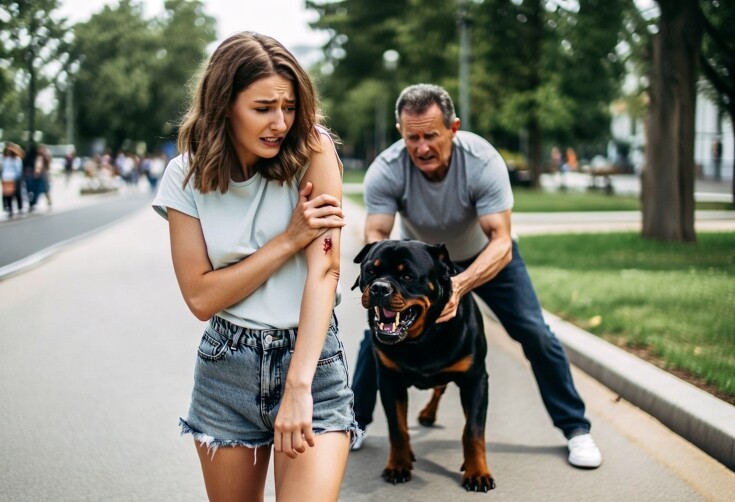
Dog Bite Victims in Texas Face an Uphill Battle
Dog bites can cause serious injuries—both physical and emotional. But in Texas, getting compensation isn’t always straightforward. That’s because the state follows unique legal rules like the “one bite” rule and common-law strict liability. Understanding how these apply to your case is crucial if you want to win.
Here’s what every dog bite victim in Houston needs to know.
Texas Doesn’t Have a Specific Dog Bite Statute
Unlike many states, Texas has no dedicated law governing dog bite cases. Instead, victims must rely on court-made rules (common law) that have evolved over time. The two most common legal theories are:
- Strict Liability
- Negligence (including the “one bite” rule)
What is the “One Bite” Rule?
The “one bite” rule comes from a Texas Supreme Court case (Marshall v. Ranne) that established the idea that a dog owner may only be liable if they knew or should have known that their dog was dangerous.
In practice, that means:
- If the dog had bitten someone before…
- Or if the dog showed signs of aggression (snapping, lunging, etc.)…
Then the owner had notice of the danger and can be held liable for injuries the dog causes.
No past bite = harder case. That’s where negligence or leash law violations may come into play.
When Does Strict Liability Apply in Texas?
Strict liability is easier to prove, but only applies in limited circumstances. A dog owner may be held strictly liable if:
- The dog has been legally declared dangerous by authorities
- The owner violated leash laws or containment ordinances
- The dog was kept in a reckless or unsafe environment
If strict liability applies, you don’t have to prove negligence—you only need to prove the bite happened and caused injury.
Negligence Per Se: Breaking Leash Laws Can Be Key
If a dog owner violated a local ordinance—like allowing a dog to roam freely off-leash—and that violation led to the bite, your lawyer can use that as automatic proof of negligence. This legal shortcut is called negligence per se.
Cities like Houston have clear leash laws. If they’re broken, your case becomes much stronger.
Who Pays? Understanding Dog Bite Insurance Claims
Most valid dog bite claims are paid through the owner’s homeowners insurance. But don’t expect the insurer to roll over:
- They may deny the claim by saying the dog wasn’t dangerous
- They may argue that you provoked the animal
- They may question your injuries or try to lowball your settlement
This is why having a lawyer is critical—to gather evidence, argue liability, and pressure the insurer to pay what you deserve.
Talk to a Dog Bite Accident Lawyer in Houston Today
Even “minor” bites can lead to infection, scarring, emotional trauma, and lifelong fear. Don’t downplay the injury or assume you have no case. If someone else’s negligence led to the attack, you may be entitled to compensation for medical bills, lost income, and pain and suffering.
An experienced dog bite accident lawyer in Houston can evaluate your case, determine the best legal strategy, and fight for the full value of your claim.
 CTA: Bitten in Houston? Let’s Talk.
You don’t have to figure this out alone. Schedule your free consultation today and let’s get started.
FAQs About Dog Bites in Texas
What is the one bite rule?
Do leash laws matter?
Can I sue if the dog never bit before?
What if a child was attacked?
Will the owner’s insurance pay?
